
1896 Pattersbier
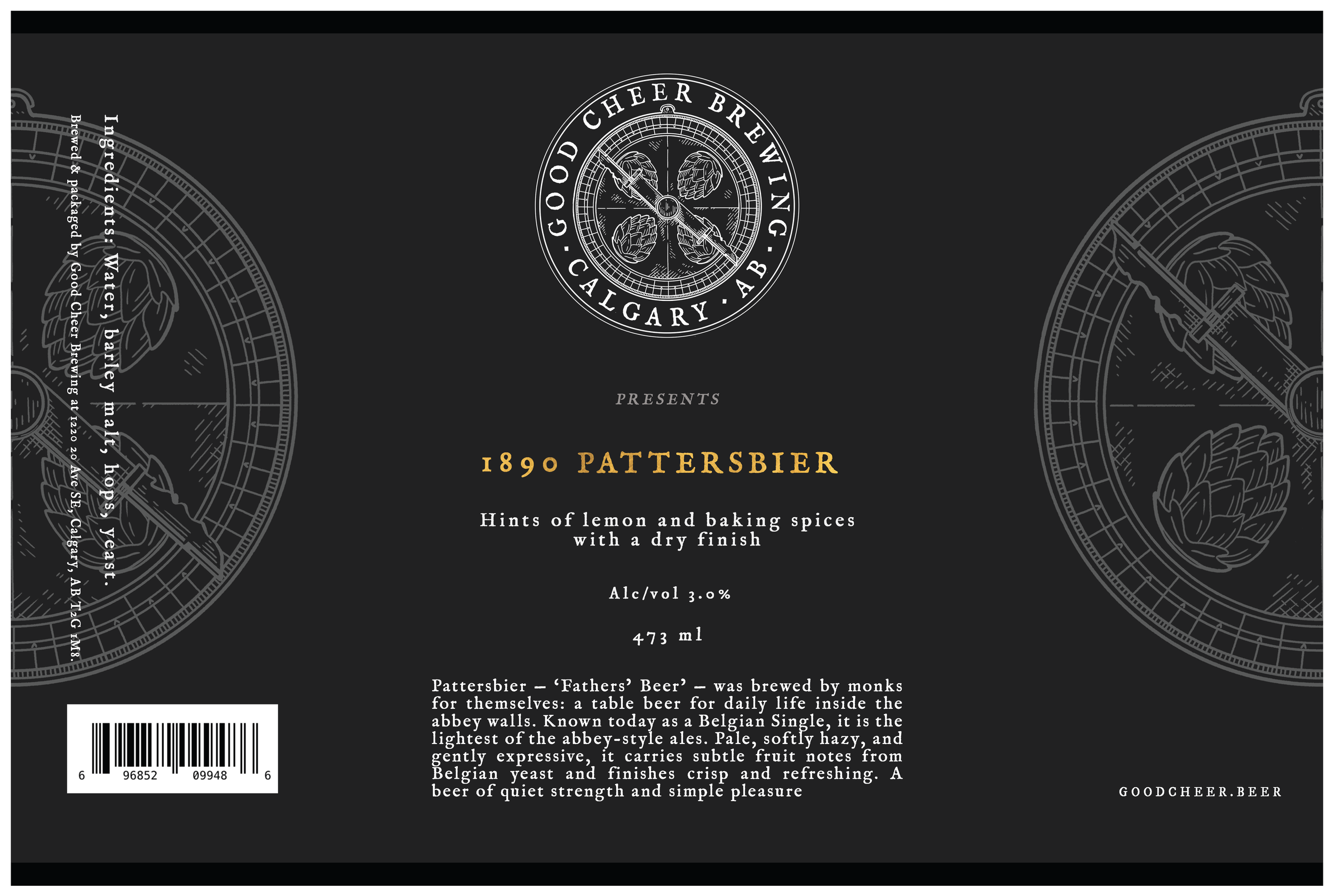
Long before Belgian abbey breweries became internationally famous for strong ales, the monks themselves usually drank something much smaller.
Inside the monasteries of Belgium, beer existed in layers. The strongest and most expensive beers were often reserved for guests, wealthy patrons, special feast days, or commercial sale. But daily monastic life demanded something different: a modest, nourishing, highly drinkable table beer consumed alongside work, prayer, and communal meals.
This was pattersbier.
The name comes from the Dutch word pater, meaning “father,” a reference to the monks themselves. Patersbier was not designed to impress outsiders. It was the internal beer of the monastery: practical, restrained, and deeply tied to the rhythms of abbey life.
To understand pattersbier, it helps to understand the world that produced it.
By the late 19th century, Belgium stood at the crossroads of old Europe and industrial modernity. Railways crossed the countryside. Coal mines and factories expanded rapidly. Cities grew dense with smoke, labour, and commerce. Yet behind monastery walls, life still moved according to older rhythms shaped by the Rule of Saint Benedict: prayer, manual labour, study, silence, and routine.
The monasteries brewed beer partly to sustain themselves financially, but also because brewing fit naturally within monastic discipline. Good brewing required cleanliness, patience, precision, agriculture, and careful stewardship of resources. Beer was not merely alcohol. It was food, hospitality, routine, and community.
And the beer monks drank every day reflected those values.
Pattersbier was usually pale or amber in colour, lower in alcohol, dry, lively, and refreshing. Strong enough to nourish labouring bodies, but restrained enough for daily consumption. It was brewed for long days rather than celebration.
In many monasteries, the stronger beers that later made Trappist brewing world famous were secondary products compared to these everyday table beers. The public might eventually remember the great Dubbels and Tripels, but the monks themselves often spent far more time drinking simple abbey beer at communal tables beneath stone ceilings and candlelight.
Much of this world would change in the 20th century.
Industrial brewing consolidated across Europe. Wars devastated Belgium. Monastic communities shrank. Many internal brewing traditions disappeared or were transformed into commercial products. Pattersbier, once one of the most common beers inside monasteries, became relatively obscure outside abbey walls.
But it remains one of the purest expressions of monastic brewing culture.
Unlike prestige ales brewed for export and reputation, pattersbier was never intended as spectacle. It was brewed quietly, consumed daily, and rarely advertised beyond the monastery itself. In many ways, it represents the hidden side of abbey brewing history: not grandeur, but routine. Not luxury, but continuity.
Our 1896 Pattersbier is brewed in tribute to this lost monastic tradition. Inspired by late 19th-century Belgian abbey table beers, it recreates the kind of ale monks may have consumed during ordinary days of work and prayer before modern industrial brewing transformed monastery beer forever.
Softly malted, highly drinkable, and balanced by expressive Belgian yeast character, it carries notes of fresh bread, spice, gentle fruit, and light earthy hops beneath a firm white head. Modest in strength but rich in character, it is designed not to overwhelm, but to accompany conversation and long evenings.
This is not the grand beer carried from the abbey gates into the world beyond.
It is the quieter beer left behind inside the monastery walls.
Availability: Year Round
First Produced: 2026
Alc/vol. 3.0%