
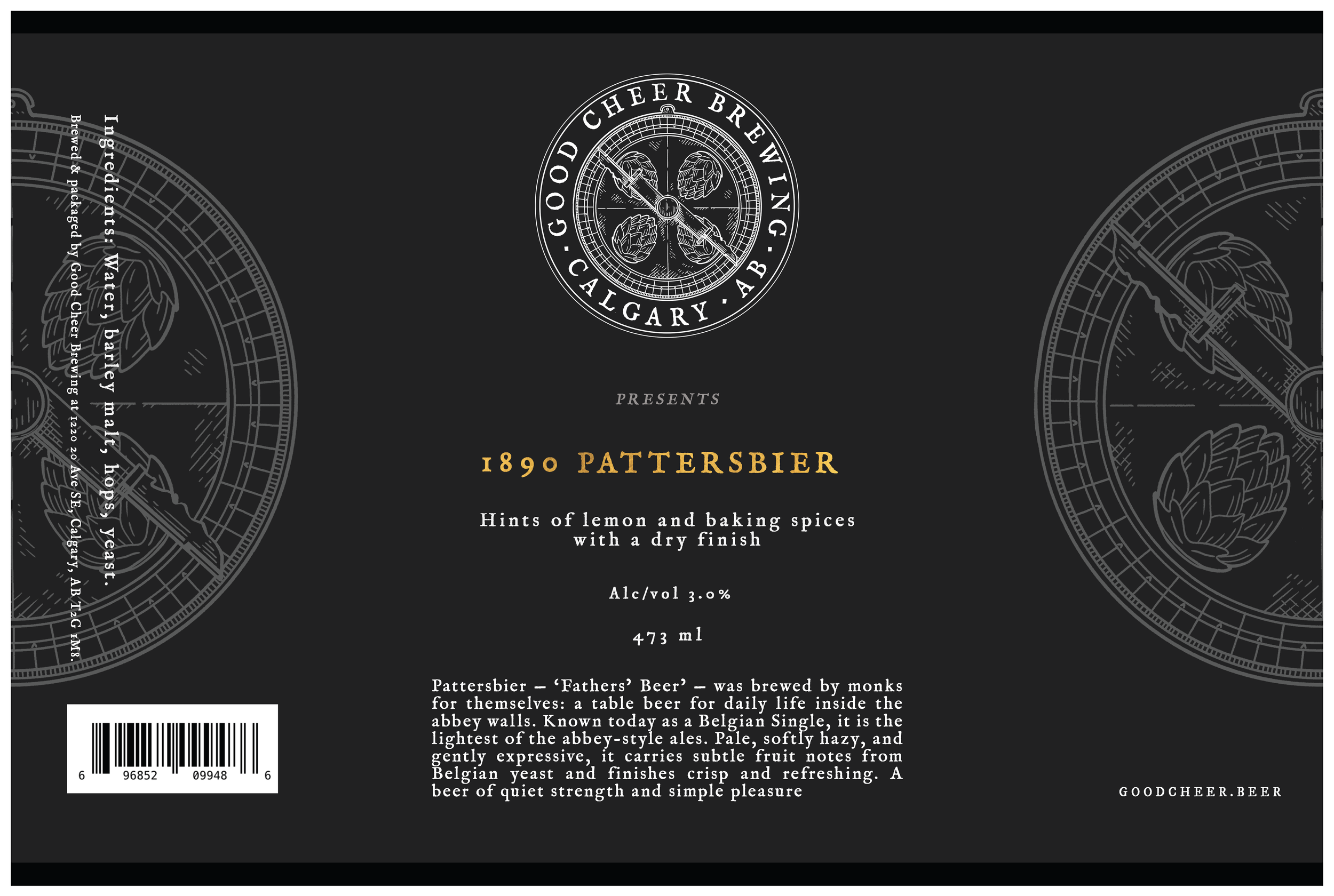
1896 Pattersbier
Long before Belgian abbey breweries became internationally famous for strong ales, the monks themselves usually drank something much smaller.
Inside the monasteries of Belgium, beer existed in layers. The strongest and most expensive beers were often reserved for guests, wealthy patrons, special feast days, or commercial sale. But daily monastic life demanded something different: a modest, nourishing, highly drinkable table beer consumed alongside work, prayer, and communal meals.
This was pattersbier…
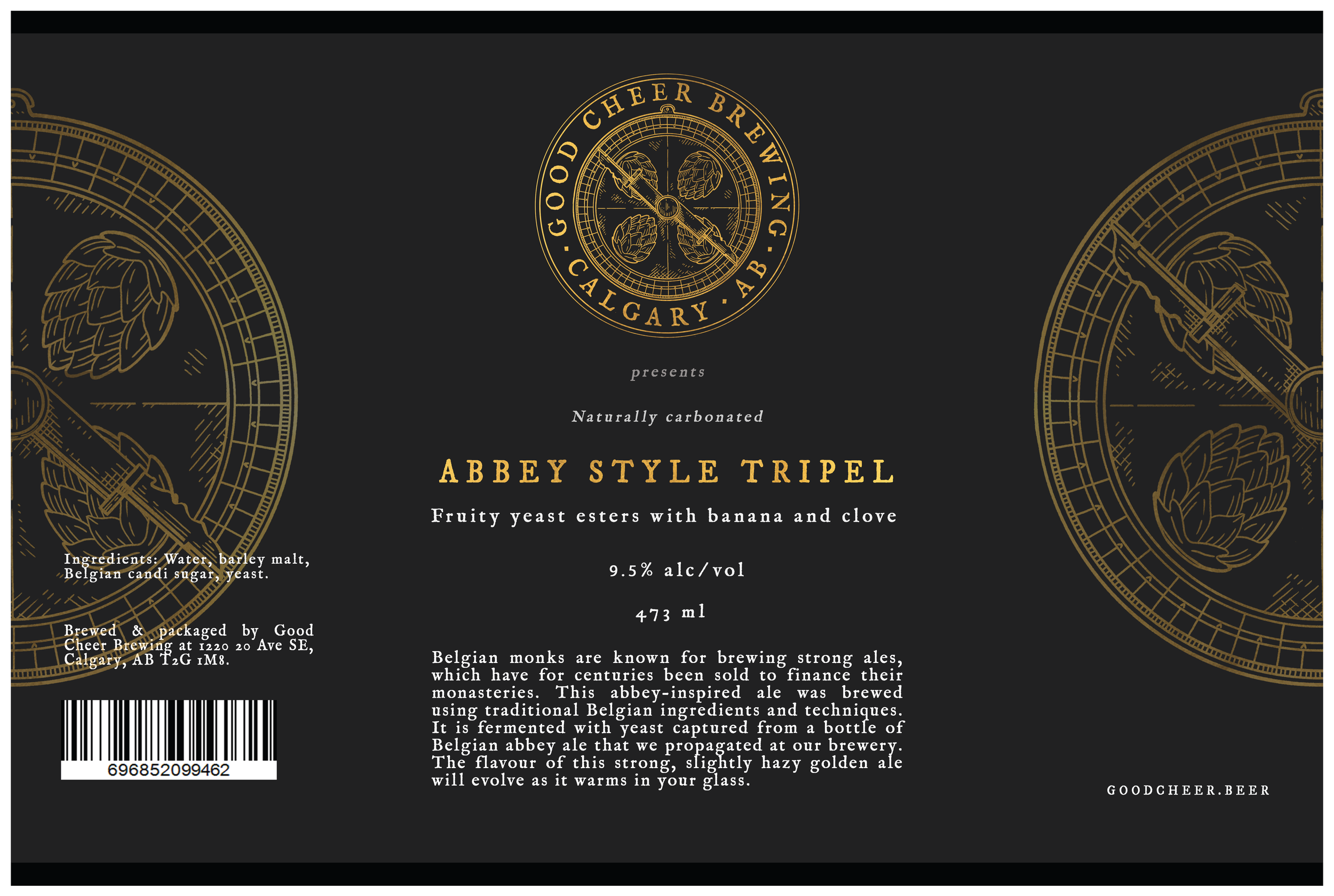
1956 Abbey Style Tripel
For centuries, monks brewed some of Europe’s finest beer.
Monasteries were among the most stable institutions in medieval Europe. While kingdoms fractured and armies marched across the continent, abbeys preserved agriculture, literacy, engineering, and craft traditions behind stone walls. Brewing became part of that world naturally. Monks cultivated grain, managed farms, hosted travellers, and supported themselves through skilled manual labour. Beer was woven into daily life…
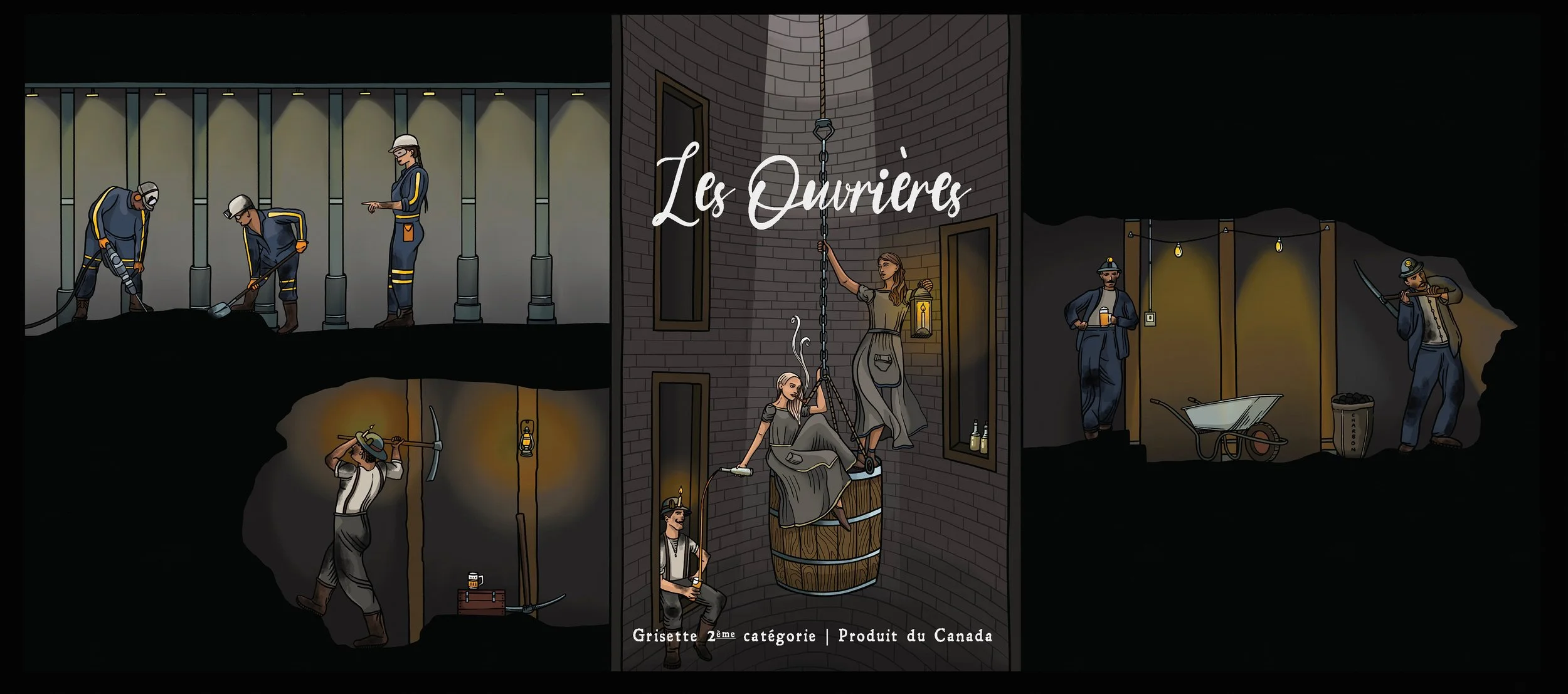
Les Ouvrières - Grisette
Grisette: The Women Behind the Name
A new class of woman emerged among the soot and noise of the Industrial Revolution. These were the grisettes.
The term grisette, a French diminutive meaning “the grey one,” came from their simple grey dresses. Grisettes left the countryside to find work and start a new life during the great urban migration of the 1700s and 1800s. They were among the first women to seek work outside the home and found it in the rough mining towns of Hainaut, southern Belgium.
These women worked hard as seamstresses, shop assistants, labourers, and servers in the working-class pubs frequented by coal miners. As the first women to work outside the home, and even to live independently from their families, they were controversial figures. Our Grisette, called Les Ouvrières (The Workers), is named after them.
From Working Class Woman to Bohemian Ideal
By the mid-to-late 1800s, the meaning of grisette began to shift…