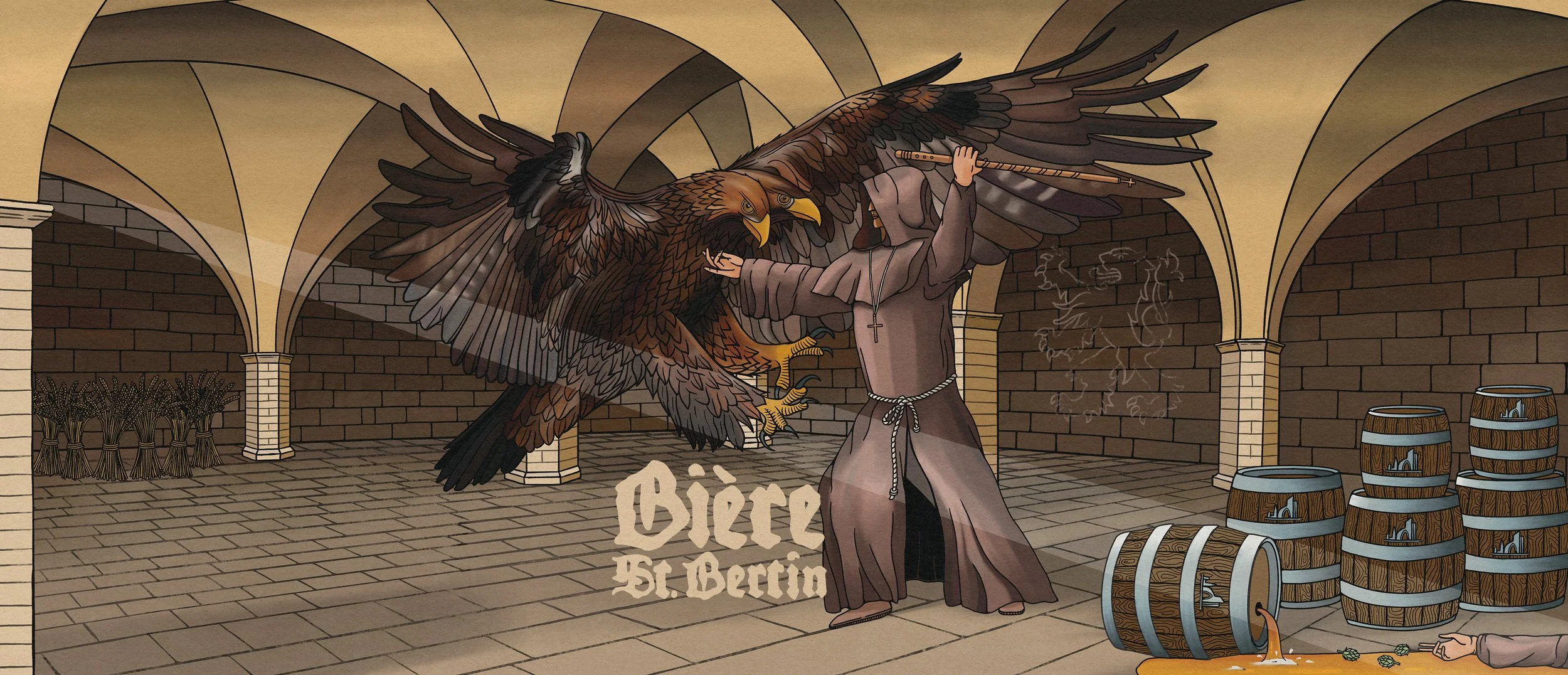
1337 Bière St. Bertin
Before hops conquered Europe, beer belonged to gruit.
Gruit was not a single recipe, but a system. A mixture of herbs and botanicals used to flavour and preserve ale before hops became dominant. Bog myrtle, yarrow, rosemary, spruce, sage, and dozens of other plants found their way into medieval beer depending on local custom and availability.
But gruit was also political…
1896 Danish Export Lager
Golden, bitter, strong, and brilliantly clear, export lager was built for the age of steamships.
By the late 19th century, breweries in northern Europe were shipping beer across oceans and rail networks to distant markets around the world. But long journeys demanded a different kind of lager. Export beers were brewed stronger, hoppier, and fuller-bodied than ordinary domestic lagers so they could survive travel while retaining flavour and stability. They were robust enough for commerce, but still designed to remain crisp and highly drinkable.
Our 1896 Danish Export Lager is brewed in tribute to this world…
980 Raøl
No hops. No boil. Juniper branches. Farmhouse yeast.
Raøl is one of the oldest surviving forms of beer in Europe.
For centuries, people believed beers like this had vanished. Then, hidden in isolated farmhouses in western Norway, brewers were discovered still making raw ale much as their ancestors had generations before. Some families had preserved their own yeast cultures for hundreds of years. These yeasts, now called kveik, turned out to be genetically distinct from modern industrial brewing strains and uniquely suited to hot, rapid fermentation.
The discovery stunned the brewing world.
Because this was not archaeology. It was a living tradition…
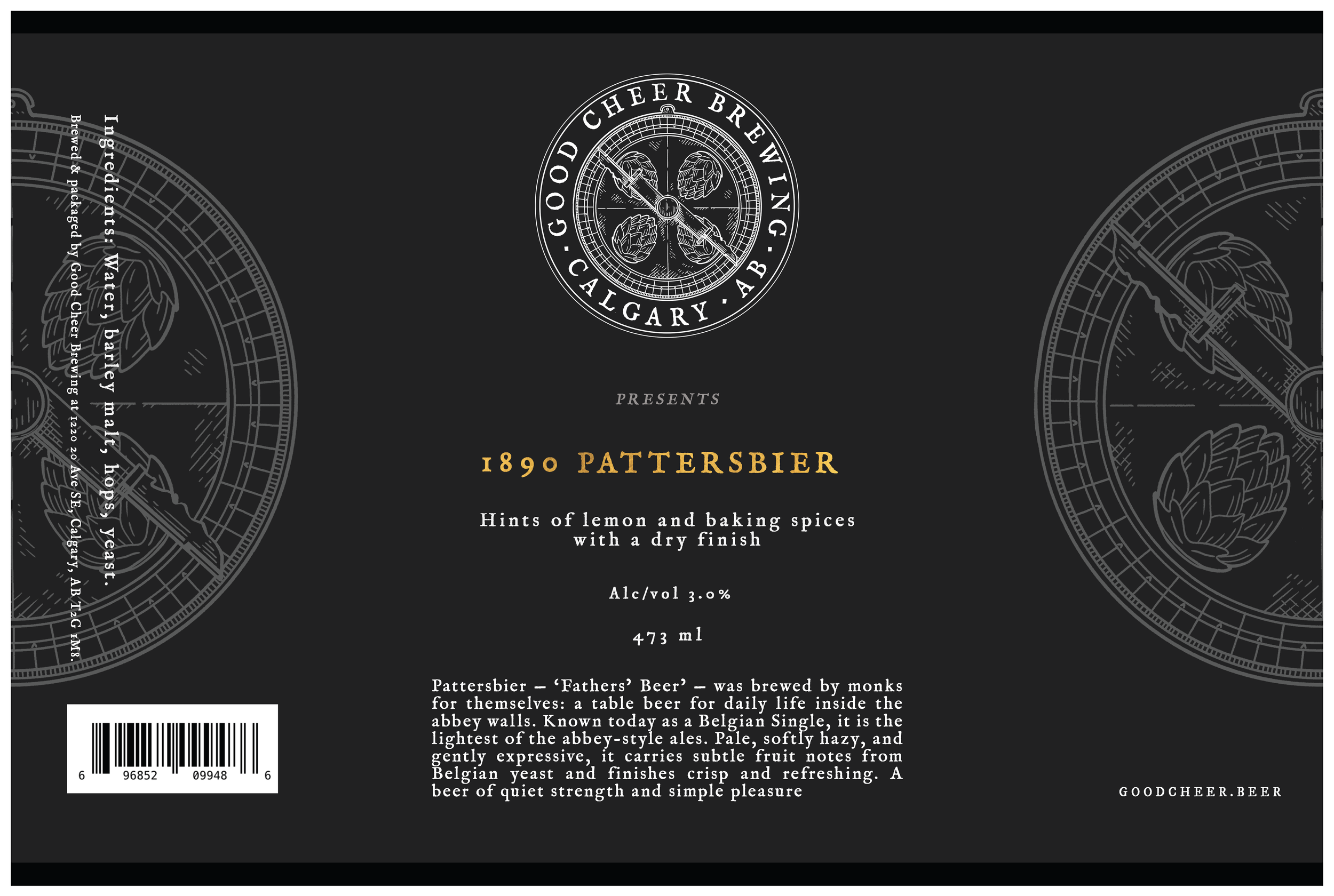
1896 Pattersbier
Long before Belgian abbey breweries became internationally famous for strong ales, the monks themselves usually drank something much smaller.
Inside the monasteries of Belgium, beer existed in layers. The strongest and most expensive beers were often reserved for guests, wealthy patrons, special feast days, or commercial sale. But daily monastic life demanded something different: a modest, nourishing, highly drinkable table beer consumed alongside work, prayer, and communal meals.
This was pattersbier…
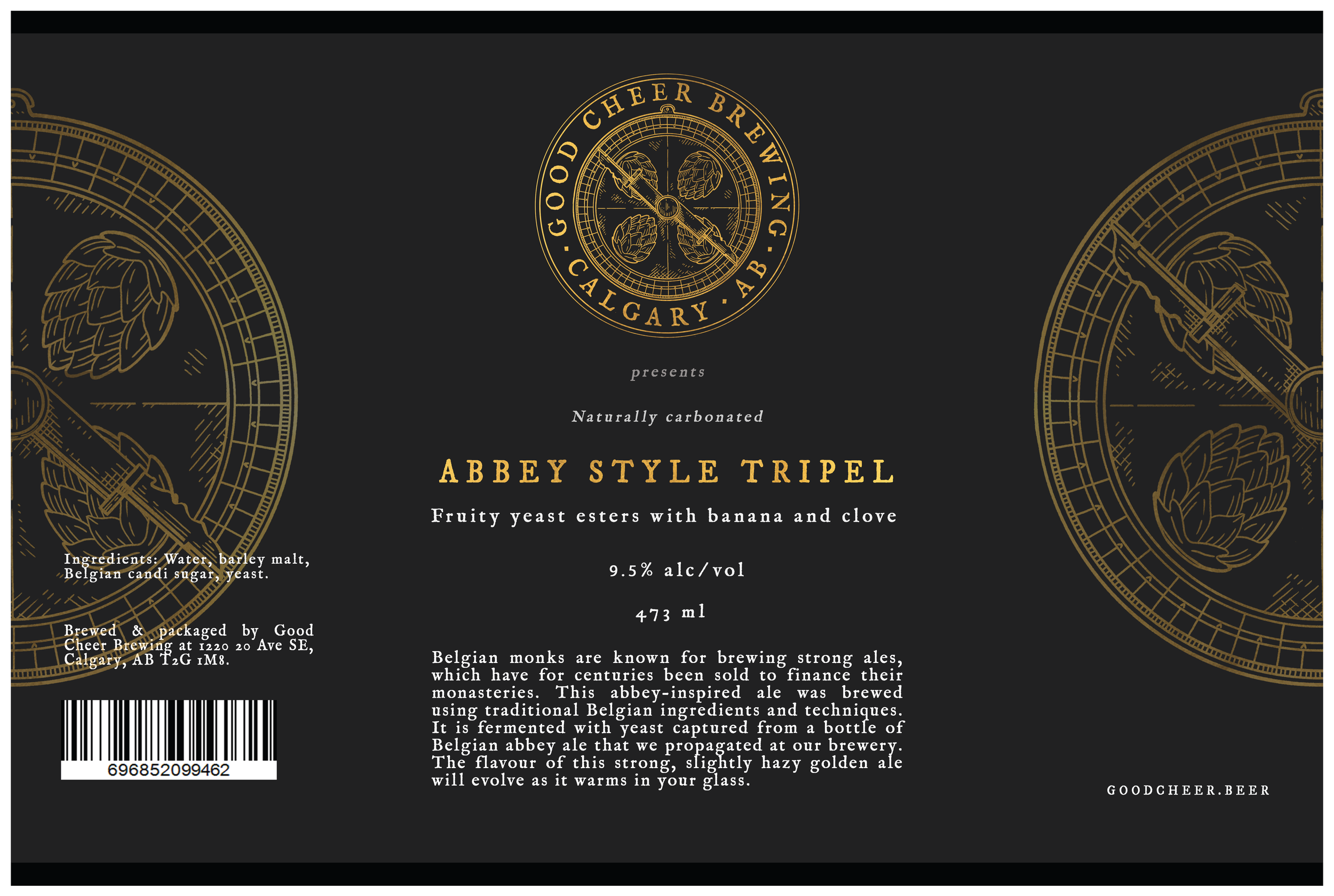
1956 Abbey Style Tripel
For centuries, monks brewed some of Europe’s finest beer.
Monasteries were among the most stable institutions in medieval Europe. While kingdoms fractured and armies marched across the continent, abbeys preserved agriculture, literacy, engineering, and craft traditions behind stone walls. Brewing became part of that world naturally. Monks cultivated grain, managed farms, hosted travellers, and supported themselves through skilled manual labour. Beer was woven into daily life…
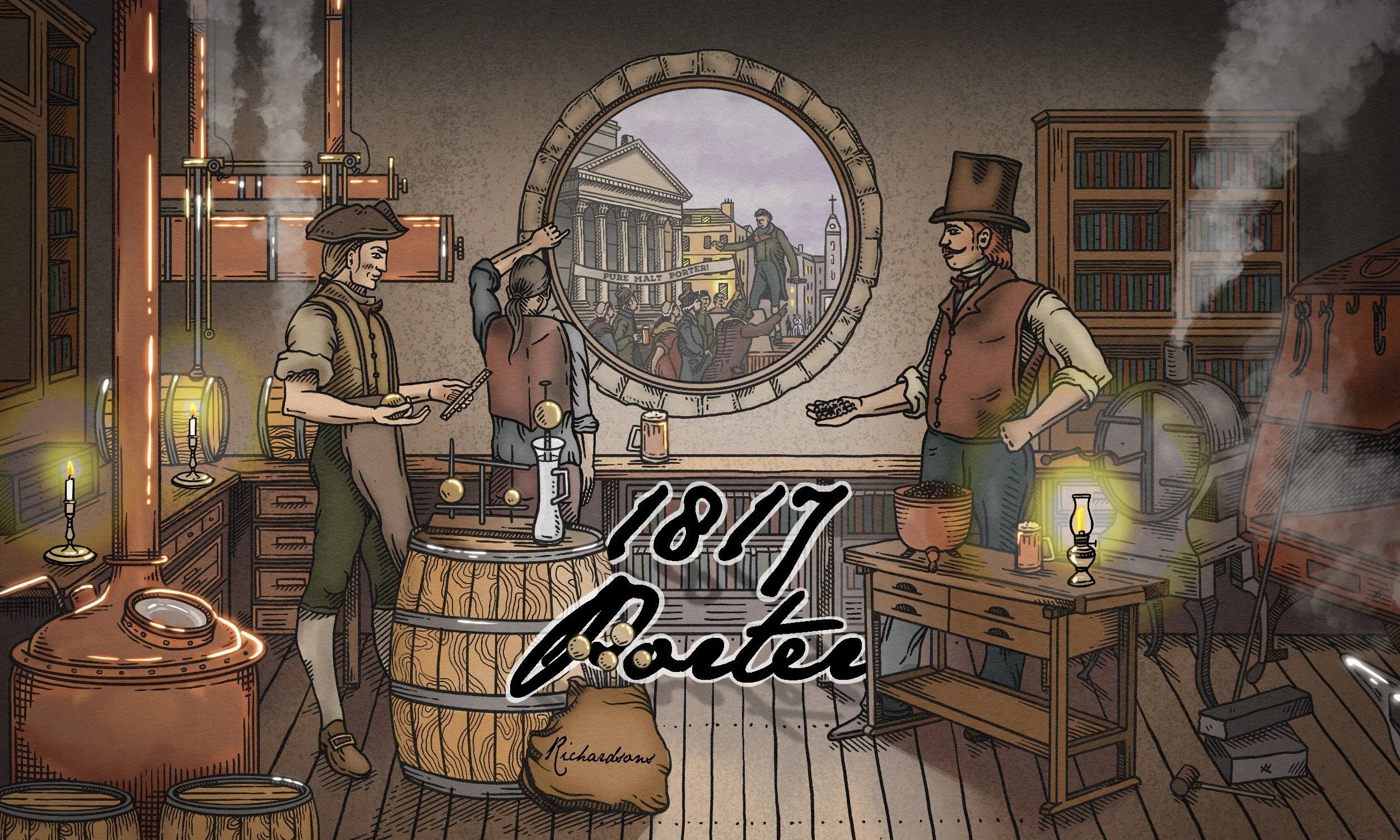
1817 Patent Porter
By the early 19th century, London porter faced a crisis. Not of flavour, but of arithmetic. Daniel Wheeler solved it in 1817…
1959 Irish Stout
Dublin in the 1950s was a city of coal smoke, rain-soaked brick, and dim pub windows glowing amber against the dark. And in the pubs stout flowed…
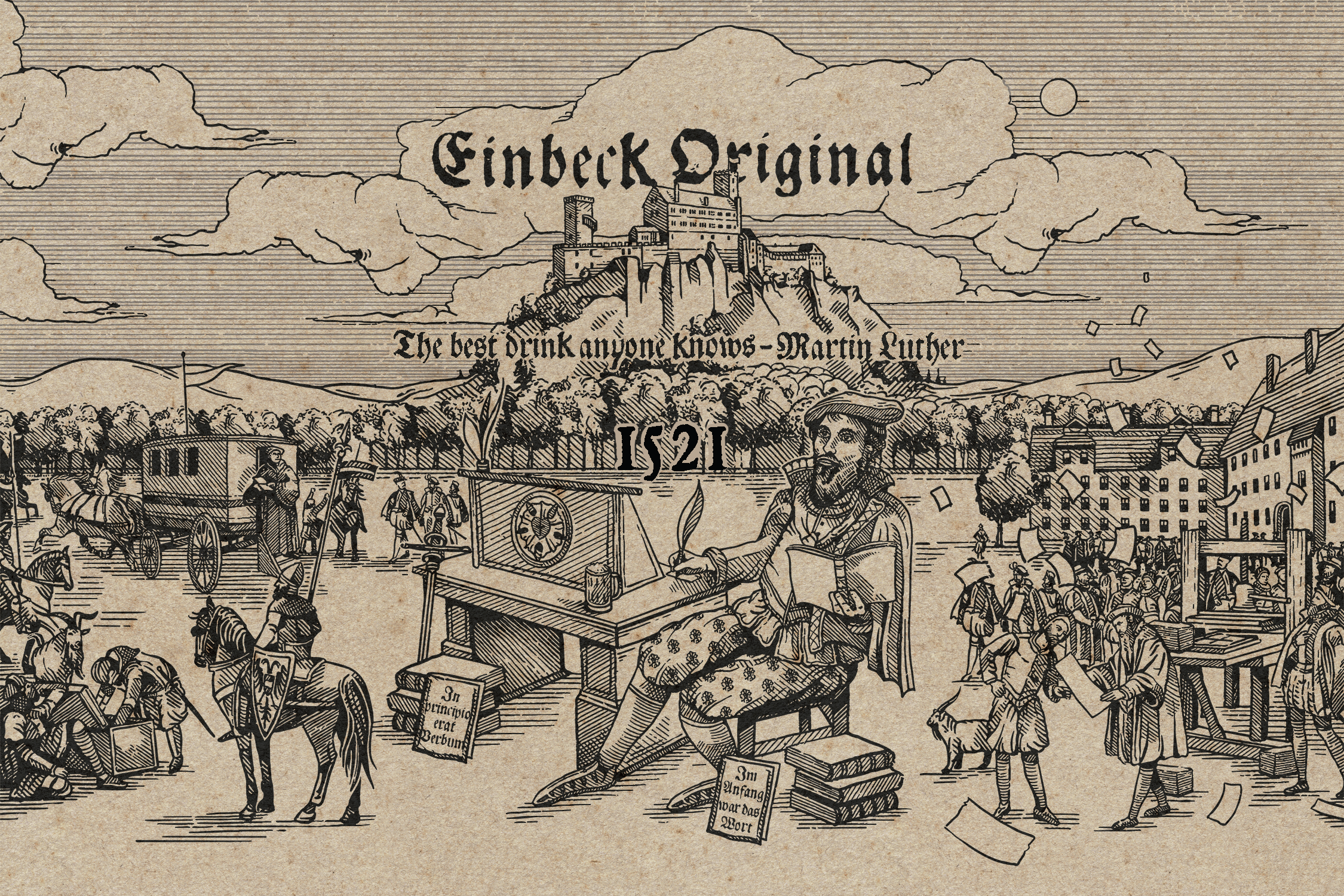
1521 Einbeck Original
Martin Luther was travelling under armed guard when he drank the beer that would become his favourite…
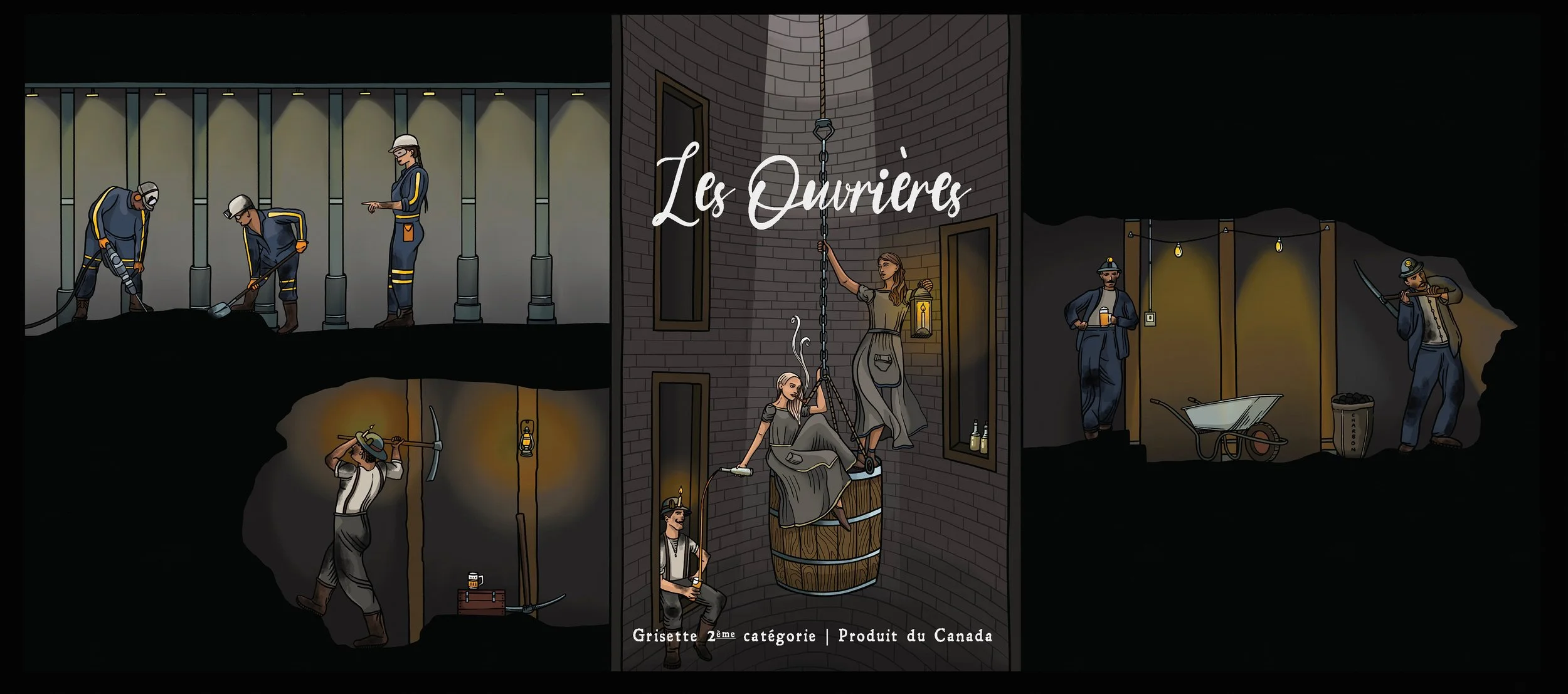
Les Ouvrières - Grisette
Grisette: The Women Behind the Name
A new class of woman emerged among the soot and noise of the Industrial Revolution. These were the grisettes.
The term grisette, a French diminutive meaning “the grey one,” came from their simple grey dresses. Grisettes left the countryside to find work and start a new life during the great urban migration of the 1700s and 1800s. They were among the first women to seek work outside the home and found it in the rough mining towns of Hainaut, southern Belgium.
These women worked hard as seamstresses, shop assistants, labourers, and servers in the working-class pubs frequented by coal miners. As the first women to work outside the home, and even to live independently from their families, they were controversial figures. Our Grisette, called Les Ouvrières (The Workers), is named after them.
From Working Class Woman to Bohemian Ideal
By the mid-to-late 1800s, the meaning of grisette began to shift…
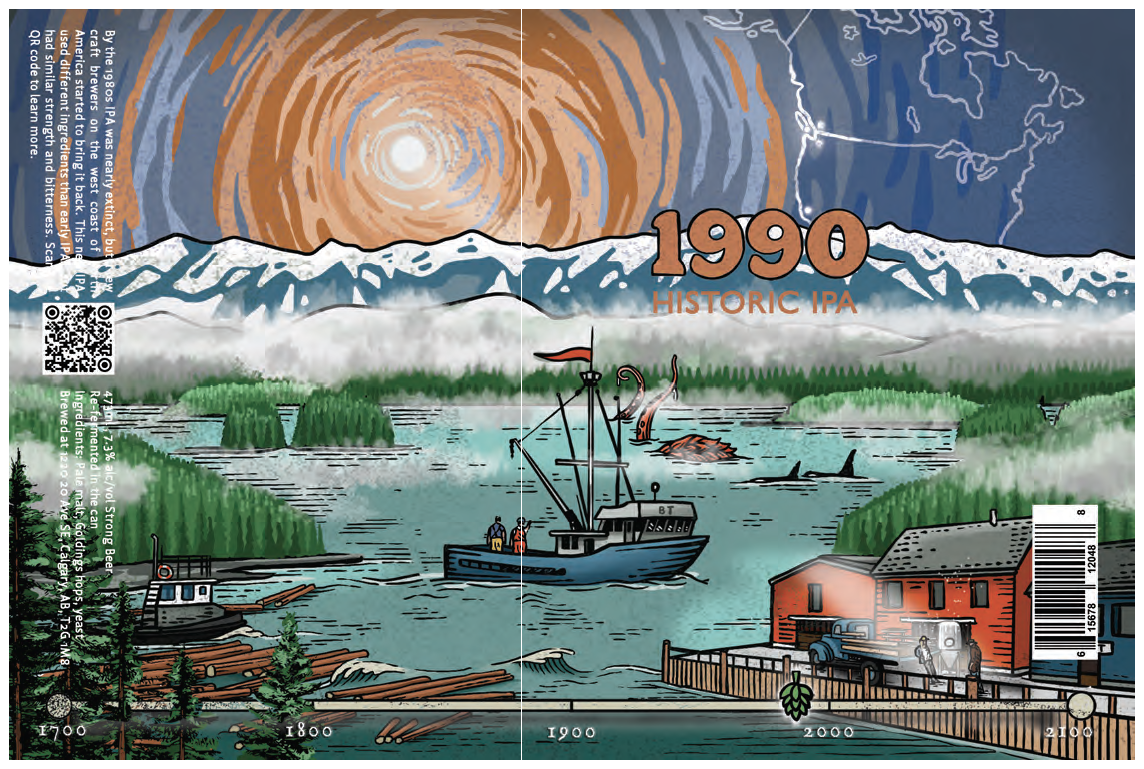
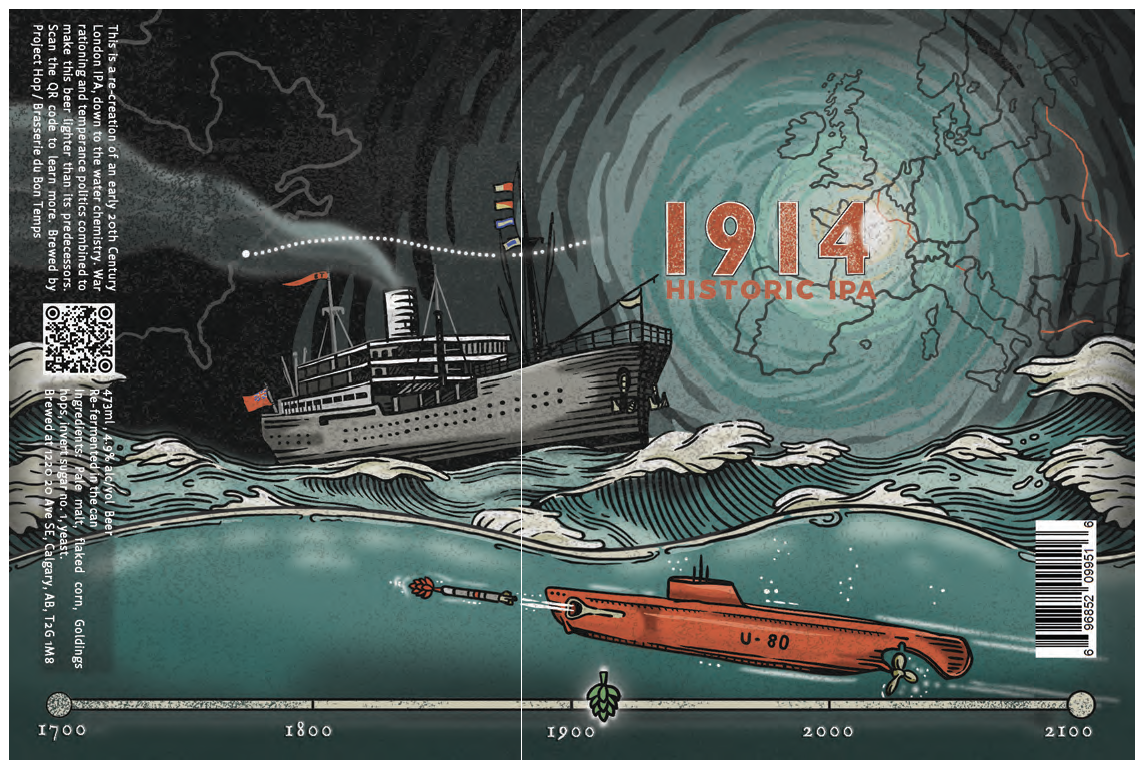
1914 Historic WWI London IPA
This beer is a replica of the kind of IPA popular during the first World War.
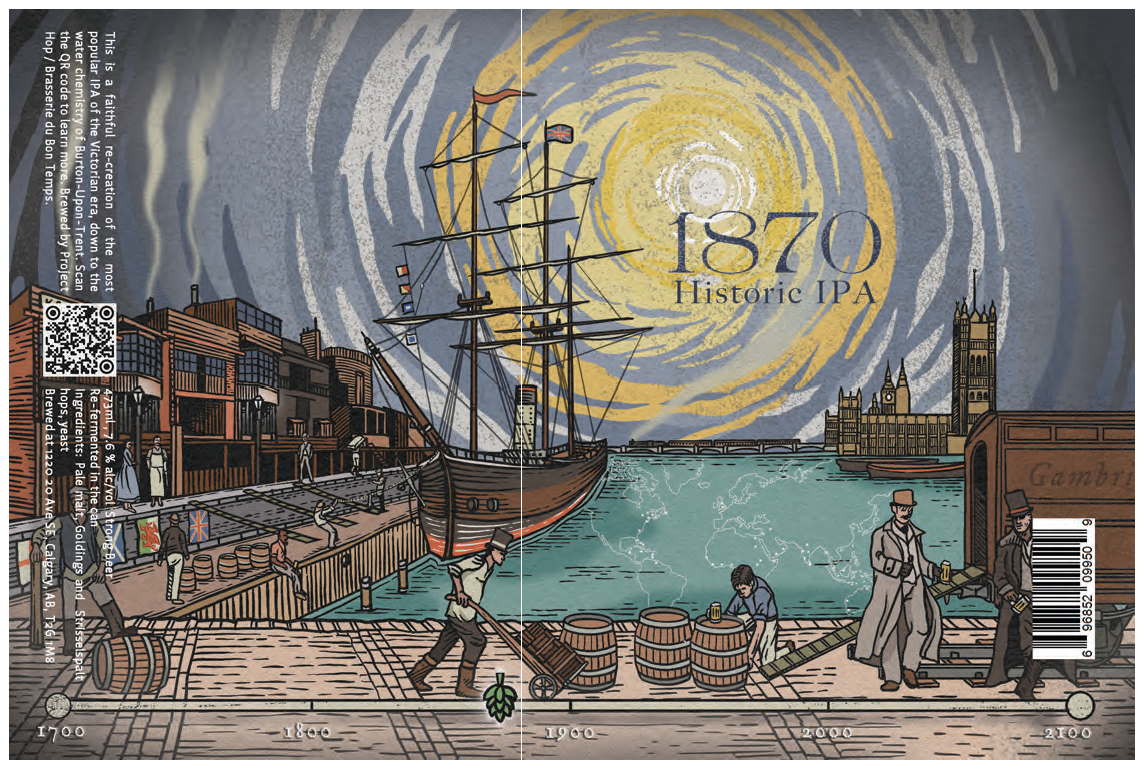
1870 Historic Burton IPA
This is a replica of a Burton IPA during the height of it’s popularity. It’s a version that was made for domestic UK consumption. It was the most popular beer of the Victorian period and closely associated with British pride.
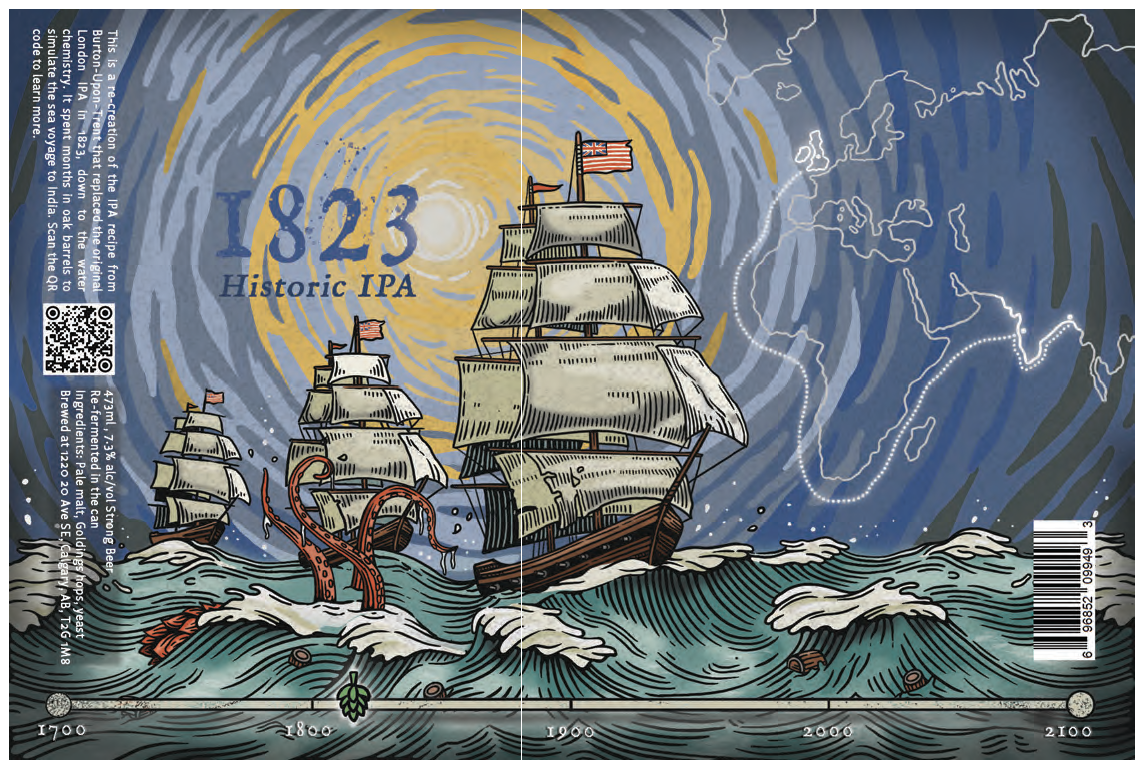
1823 Historic Burton Export IPA
Samuel Allsopp brewed the first Burton IPA and soon dominated the beer trade in India.