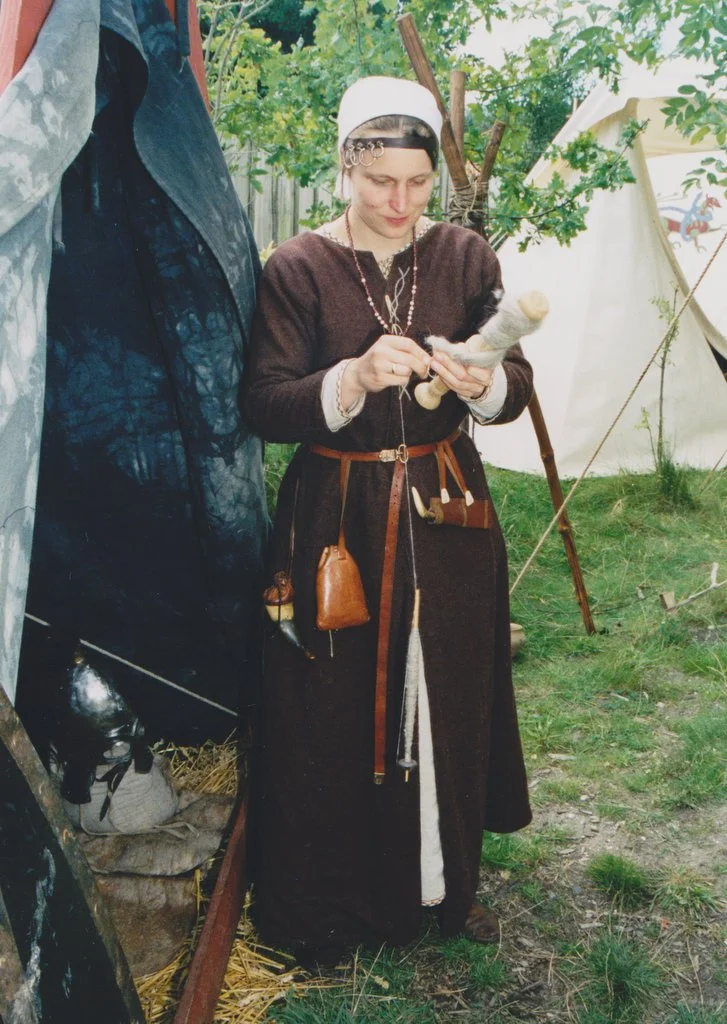
Viking Age Ale is Still Alive
A grassy plain drops sharply into the sea. It’s surrounded by mountains. There’s a waterfall on one side feeding a small retention pond and a large turf-roofed house surrounded by small outbuildings nearby. A large boat has just landed, with a dragon head prow. Cargo is being unloaded. Treasure is being unloaded. Even wine is being carried up the bank.
Women are preparing a meal. One dips her wrist into a barrel of sweet liquid. Finding it blood-warm she lifts a set of interlocking carved rings off a shelf. They’re covered in thin white flakes, caught in the rough surface grooves. She dips it into the liquid and stirs. Soon the wort will begin to ferment. It won’t be long until the next batch of ale is ready.
For millennia, European women were brewers and brewing happened at home. By the high Middle Ages men had largely taken over as brewing became a profession, taxed and regulated like it is today.
What was beer like before it shifted from a household chore to an industry? Let’s find out with a journey to medieval Norway, when people longed for ales, like the ones mum used to make.
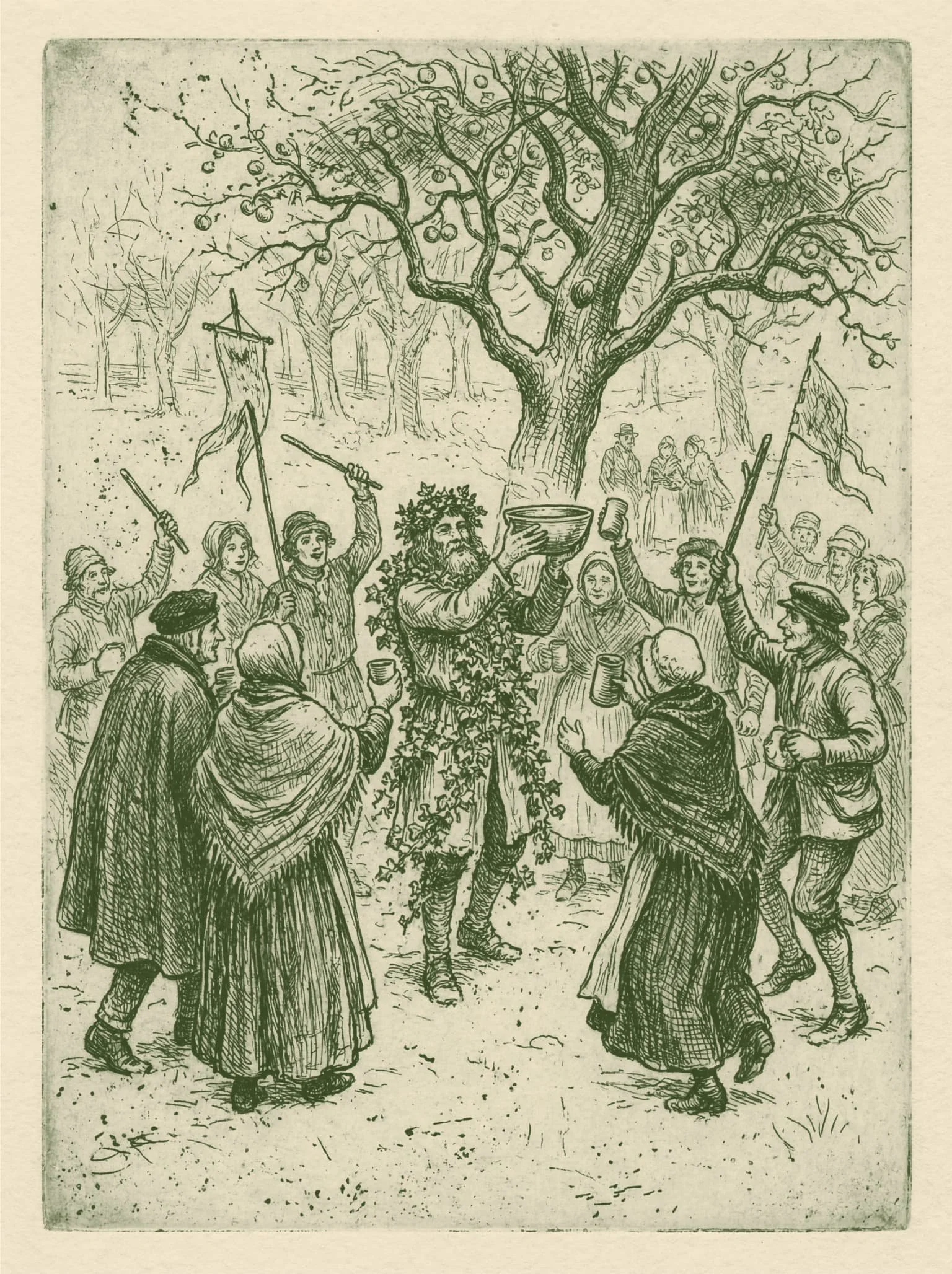
Why Do We Say Cheers?
The earth sways as the northern hemisphere tilts back from the sun following the autumnal equinox. Days get shorter. The air gets colder. It’s time to come in off the patio and relax in the warm embrace of a cozy pub.
Once inside, surrounded by friends, we’ll raise our glasses and say Cheers! in an invocation of friendship and well-wishes. But why do we do this?
This week’s Time Machine explores the origins of the word cheers as we use it today.
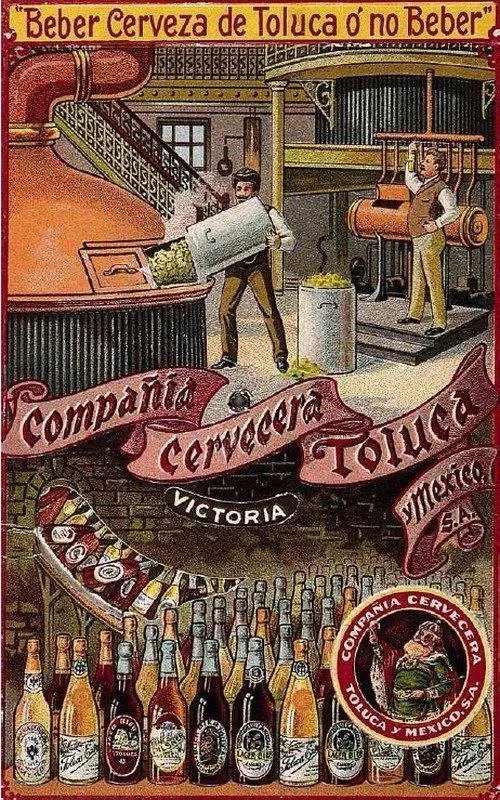
Is Mexican Beer Really German Beer?
The craft beer world has in recent years began to produce in a style called Mexican Lager, but that’s more marketing than history. Craft “Mexican lager” is pale lager, often flavoured with something like lime, and riffs off Corona (or for those who have spent time in the USA, possibly also Tecate). But these pale lagers aren’t Mexican styles, they’re European styles brewed in Mexico.
In this week’s Time Machine we explore the roots of contemporary Mexican brewing, and it starts in Germany during the 1830s.
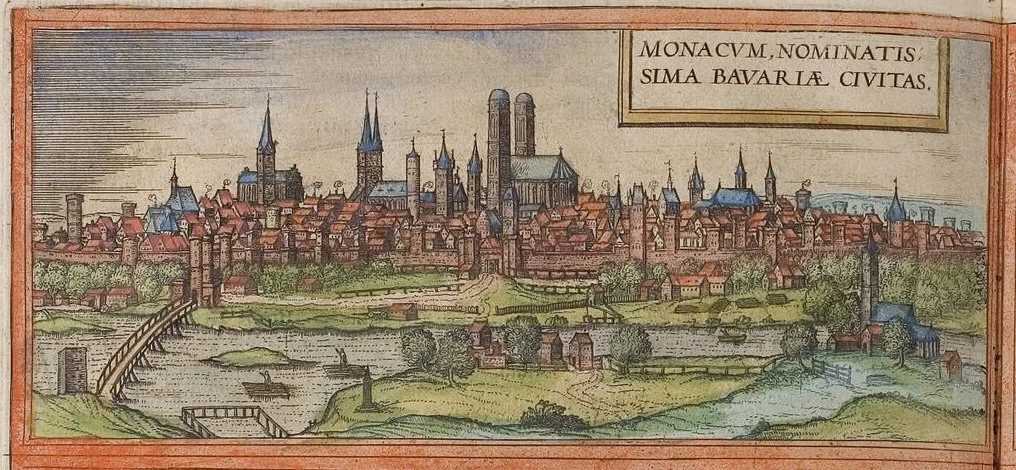
What Makes a True Oktoberfest Beer?
The timber-framed buildings are pressed so tightly together that when the floorboards creek underfoot the neighbours hear it. Beautiful cross-hatched Bavarian facades decorate the houses starting just above the worn cobble streets before zig-zagging all the way up to the wooden shingled roofs. It’s a beautiful summer day. Hot, dry, with just enough breeze to take the edge off.
Around a corner the shops share the same architecture. A fire is raging beneath a giant copper kettle in one of the units. Dried wood cracks in the heat, bang!, firing a red-hot cinder across the room.
This is a bad idea. Or so thought Duke Albrecht V, when he banned brewing in Bavaria between April 23 (St. George’s Day) and September 29 (St. Michael’s Day).
Five months is a long time without beer.
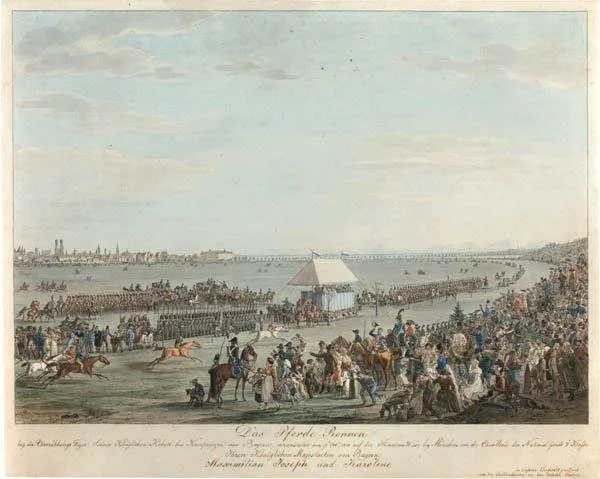
A Princess Died in 1854. We Still Celebrate Her Wedding Today
The world’s largest beer festival starts on September 19. Each year, six to seven million revellers enter Oktoberfest’s giant tents.
Oktoberfest serves Märzen/Festbier in 1 litre steins at long tables beneath thick wooden beams decorated with hops and Bavarian bunting. But it wasn’t always that way. The first Oktoberfest wasn’t a beer festival at all. It was a wedding.
Well, that’s an over-simplification. Since the beginning, Oktoberfest has been a cultural event. It weaves history, nation-building, and the human need for conviviality and celebration into the background of a turbulent and ever-changing world.
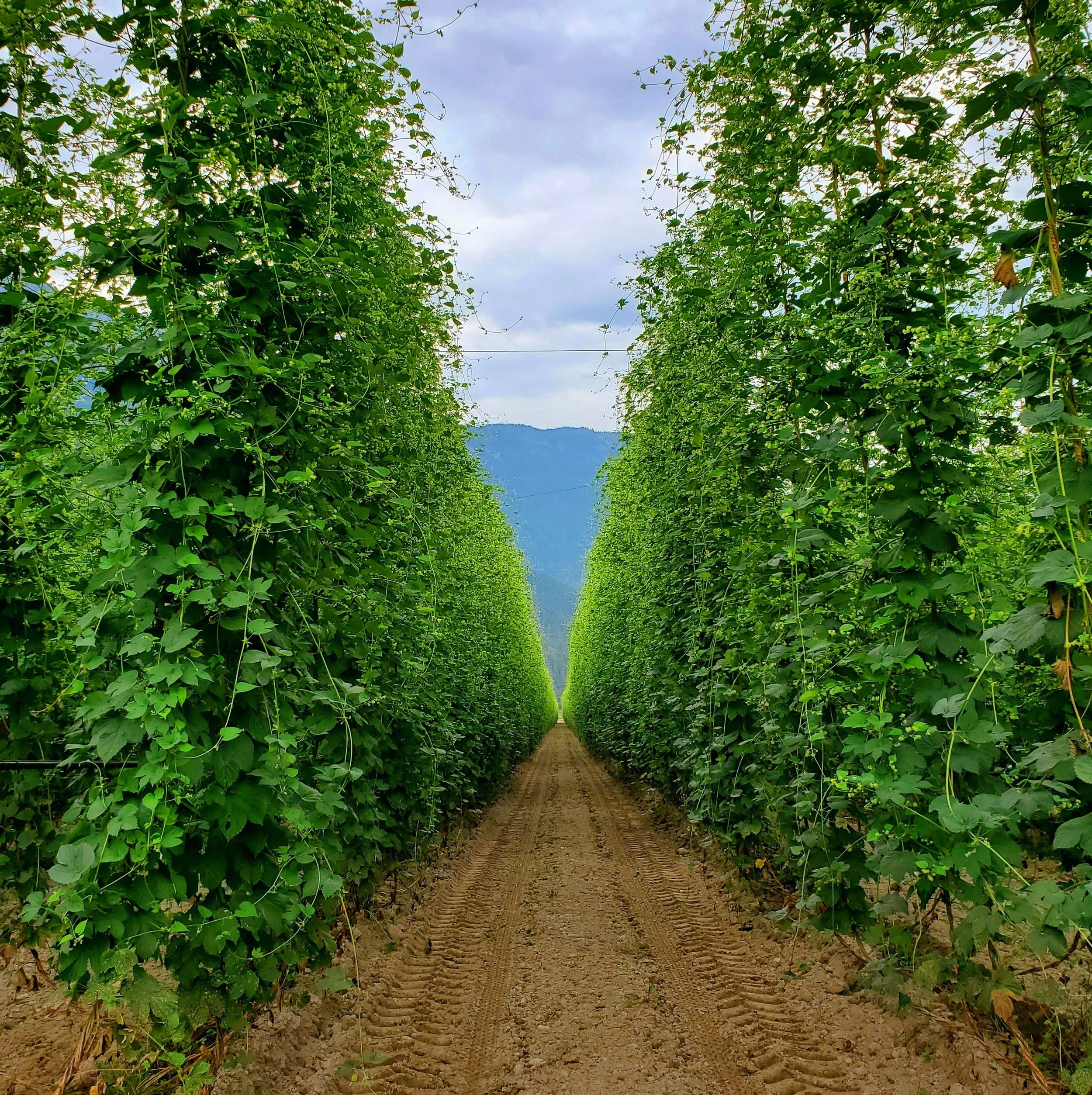
The Vanishing Point
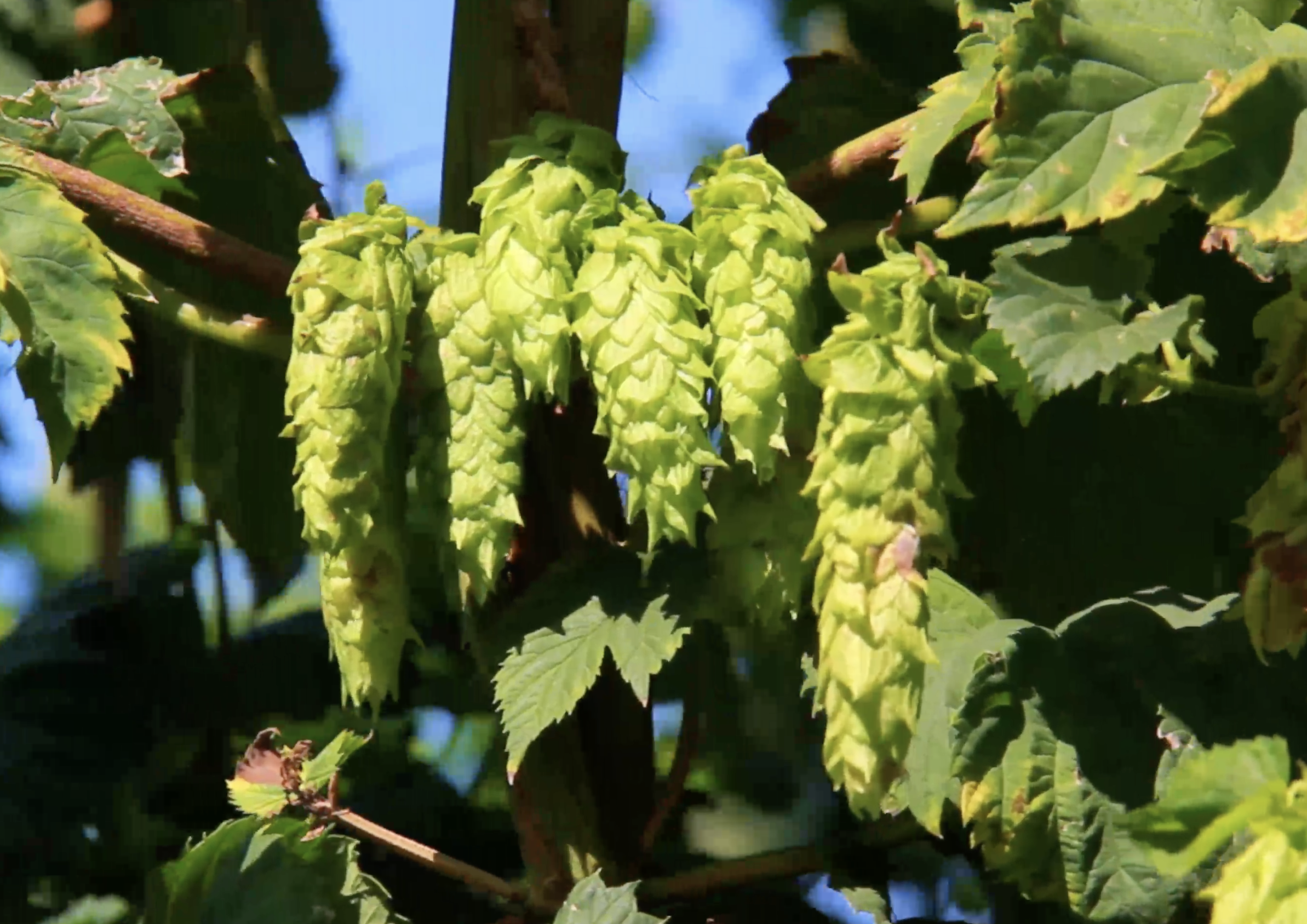
In this week’s Time Machine, we’re going back about ten years, to a time when hops looked like the new cash crop and craft beer was not only the hottest trend in drinks, but a cultural phenomenon.
Independent hop yards popped up across North America in the mid-2010s, riding a wave of demand. But consumer tastes changed and agriculture struggled to keep up.
This is a story about agricultural entrepreneurs fighting for survival in a past-paced 21st century economy.
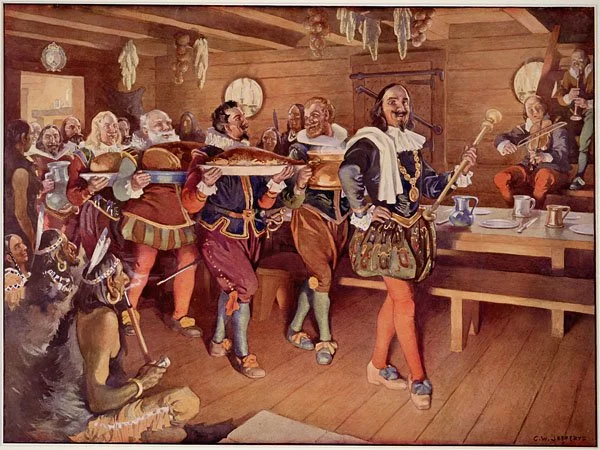
More Beneficial Than All the Medicines: The Story Behind Good Cheer
When was the last time you got together with friends?
It can seem that at times we live private, parallel lives with our friends. We know they’re out there, but we don’t often see them.
Creating a third place where people can connect is the driving idea behind Good Cheer. And it’s nothing new. People have always created communal places to connect with one another and, as we’ll see in today’s Time Machine, sometimes those places haven't just sustained morale. They have sustained life itself…
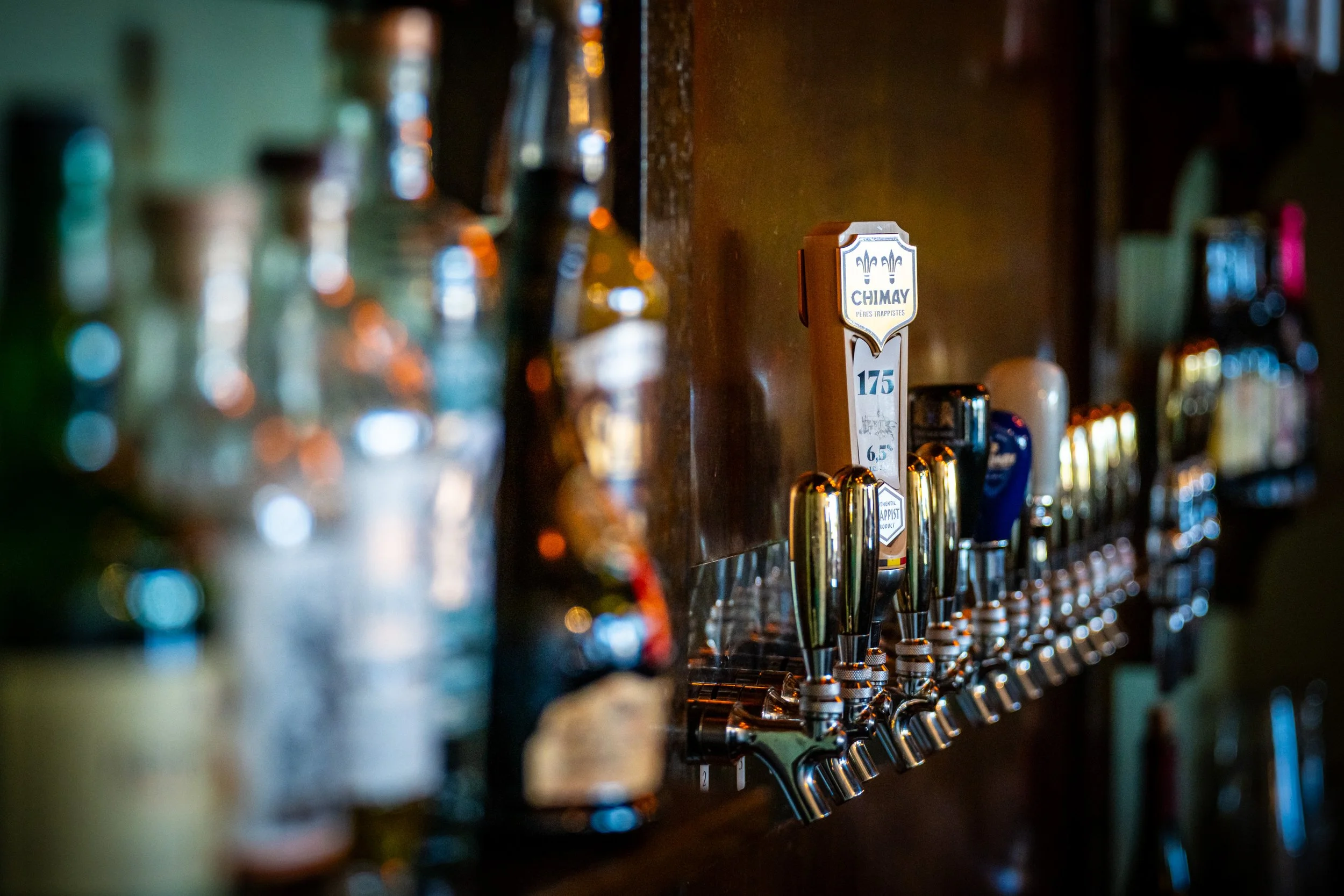
The Brewery That Was Never About Beer: The Story of Chimay
It began with twelve monks, two horses, and a patch of soggy forest nobody wanted.
It became one of the most remarkable breweries in the world.
The beer they make is outstanding, but that’s perhaps the least impressive part of the story. This brewery was founded in a monastery and run by monks with the goal of improving life in the surrounding region.
But the Nazis almost destroyed it. And yet it only got better.